
SPARE TIRE REPLACEMENT
Flat Tire Roadside Assistance & Spare Tire Installation
Fast roadside flat tire help across Phoenix, Mesa, Tempe, Chandler, Gilbert, Scottsdale, and nearby Arizona cities.
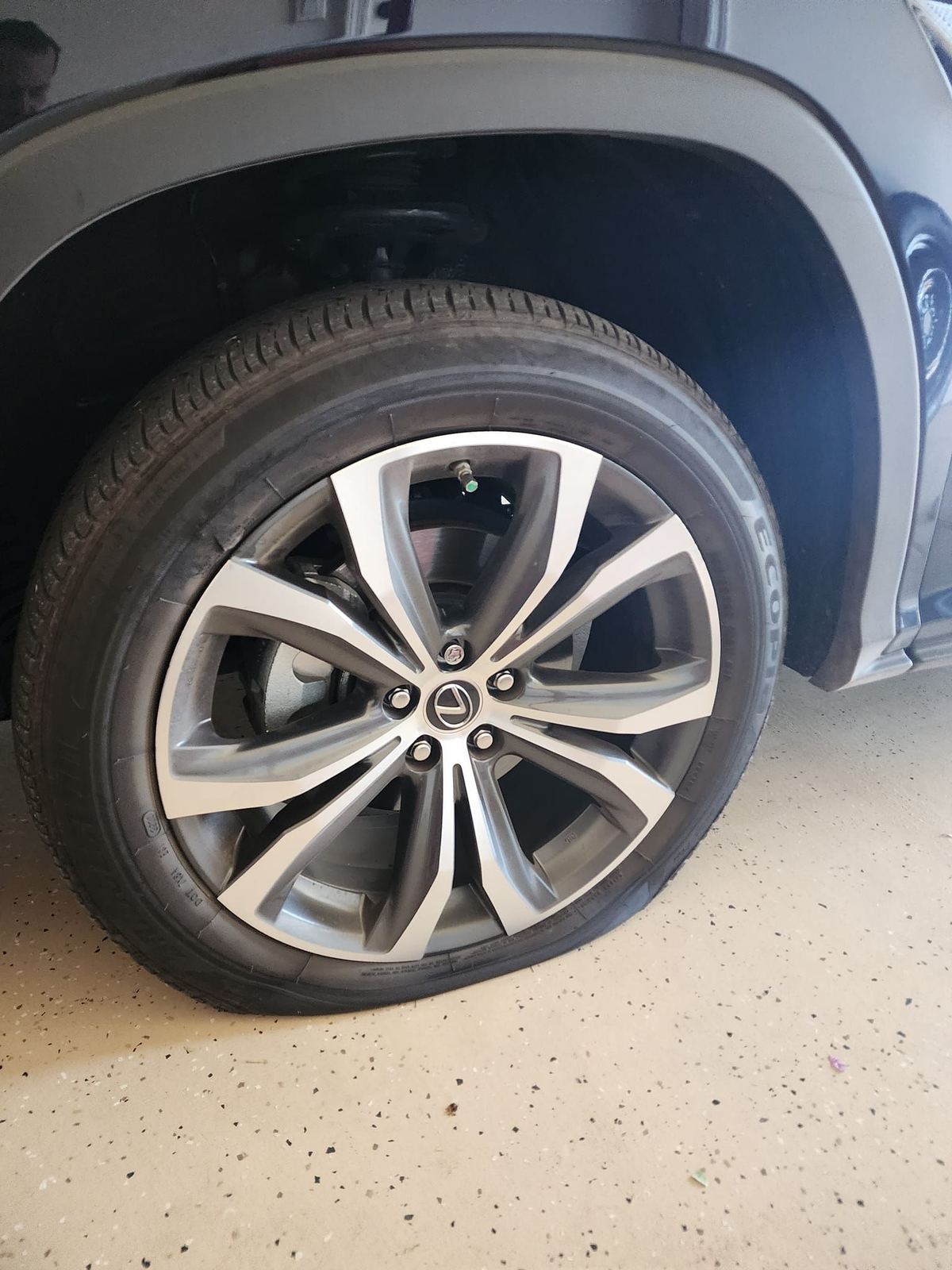
Flat Tire Help & Roadside Spare Tire Installation
When you're stuck with a flat tire, Precision Roadside Service provides quick, safe roadside flat tire assistance and spare tire installation. We help drivers in Mesa, Tempe, Chandler, Gilbert, Scottsdale, Phoenix, Apache Junction, Queen Creek, San Tan Valley, Gold Canyon, Maricopa, Casa Grande, and surrounding areas.
Please note: We do not sell, stock, or supply tires of any kind. Spare tire installation requires that you already have a usable spare tire with your vehicle — we install the spare you have, we do not provide one. We also do not install replacement tires, mount tires, or balance tires. Our spare tire replacement service is limited to roadside flat tire help, installing a spare tire you already have, tire plug assistance when safe, and temporary roadside support to help you get moving again.
Rather than waiting hours for a tow truck, our team comes directly to your roadside location, home, work, or parking lot. We confirm realistic ETA and pricing before dispatch so you know what to expect.
Flat Tire Help We Provide
Roadside Flat Tire Help
If you have a flat tire at home, work, in a parking lot, or on the roadside, we respond with the tools needed to inspect the situation and help you determine the safest next step.
Spare Tire Installation
This service is only available if you already have a usable spare tire with your vehicle. We remove the damaged tire and install your existing spare safely — we do not sell or supply tires — so you can continue to a tire shop or repair facility.
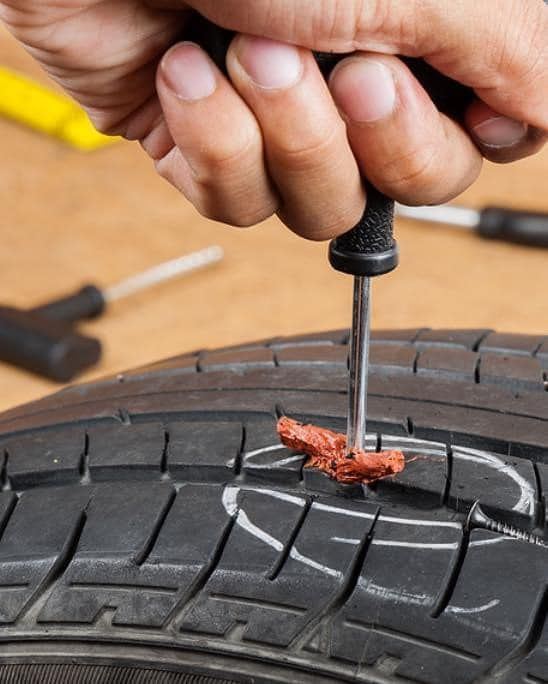
Tire Plug Assistance When Safe
Some small punctures may be temporarily addressed with a plug when the location and damage allow it. If not safe to plug, we can install your spare instead.
Why Call Precision Roadside for Flat Tire Help?
- Fast Dispatch — Quick roadside response across the Phoenix metro area
- Daily Availability — Available Monday–Sunday: 7:00 AM – 8:00 PM
- Roadside-Focused — We help with flats, spare installs, and safe temporary options
- Upfront Pricing — Pricing and ETA confirmed before dispatch
- Professional Help — Friendly roadside technicians who help you get moving safely
Common Flat Tire Situations We Handle
- Nails, screws, or sharp debris in the tire
- Slow leaks or low tire pressure
- Highway blowouts
- Flat tires at home, work, or in parking lots
- Vehicles with an existing spare tire that needs safe installation
- Drivers who need help determining whether the tire is safe to drive on
Frequently Asked Questions
What areas do you serve for flat tire roadside assistance?
We provide flat tire roadside assistance and spare tire installation in Mesa, Tempe, Chandler, Gilbert, Scottsdale, Phoenix, Apache Junction, Queen Creek, San Tan Valley, Gold Canyon, Maricopa, Casa Grande, and nearby Arizona cities.
What are your hours for spare tire replacement?
We are available Monday–Sunday: 7:00 AM – 8:00 PM. Availability can depend on location, road conditions, and technician coverage at the time of your call.
Do you install spare tires?
Yes, but only if you already have a usable spare tire with your vehicle. We install the spare you have — we do not sell or supply tires. This is one of the main spare tire replacement services we provide.
Do you sell or install new tires?
No. We do not currently sell new tires, install replacement tires, mount tires, or balance tires. Our service is limited to roadside flat tire help, spare tire installation, and tire plug assistance when safe.
What if I do not have a spare tire?
We are not able to install a spare tire if you do not already have one with your vehicle, since we do not sell, stock, or supply tires. If the puncture is small and safely repairable, our tire plug service may be able to help. Otherwise, we can help you arrange a tow or point you toward a nearby tire shop.
Can you plug a tire roadside?
In some cases, yes. A plug may be possible for certain small punctures in a safe repair area. We do not plug sidewall damage, large punctures, severely worn tires, or unsafe tire damage.
How much does flat tire help or spare tire installation cost?
Pricing depends on your location, vehicle, and the type of roadside help needed. We provide pricing and ETA before dispatch so there are no surprises.
Do you accept card payments?
Yes. We accept major payment methods at the time of service.
Need Flat Tire Help or a Spare Tire Installed?
Don't stay stranded. Call for flat tire roadside assistance and spare tire installation across Phoenix, Mesa, Tempe, Chandler, Gilbert, Scottsdale, and nearby Arizona cities. Available Monday–Sunday: 7:00 AM – 8:00 PM.